Between Hope and Hegemony: David Stepanyan on Armenia’s High-Stakes Path to Peace
04-03-2026 16:28:25 | Armenia | Interviews
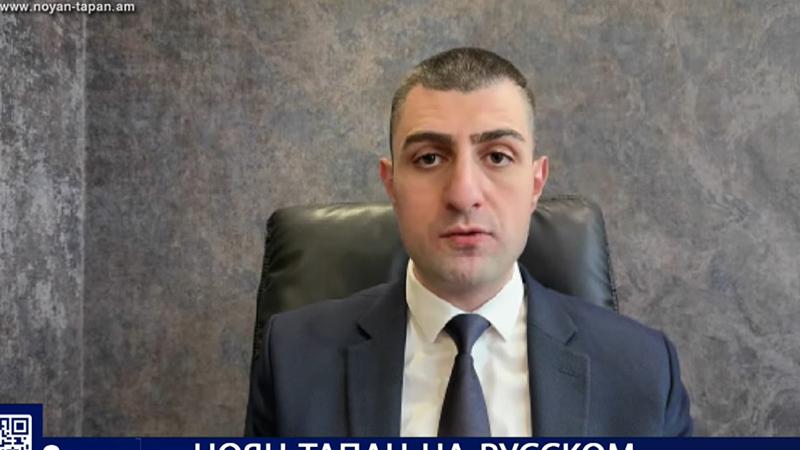
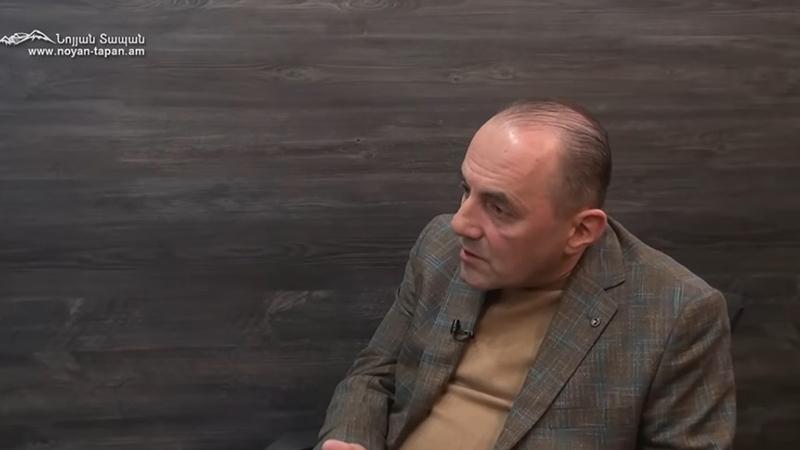
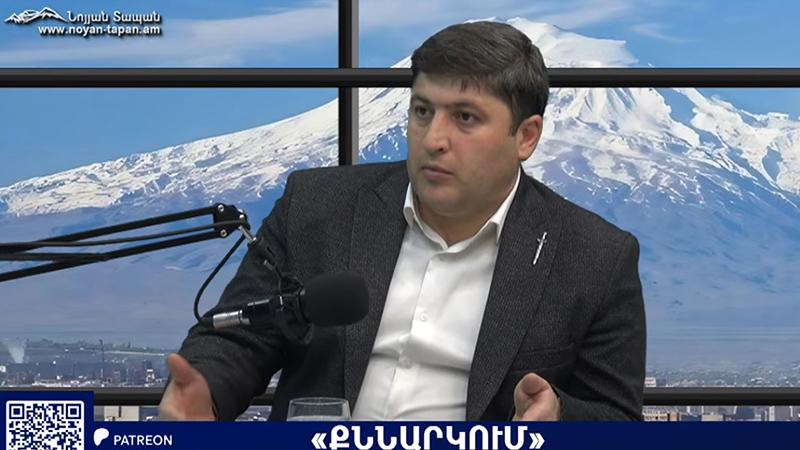
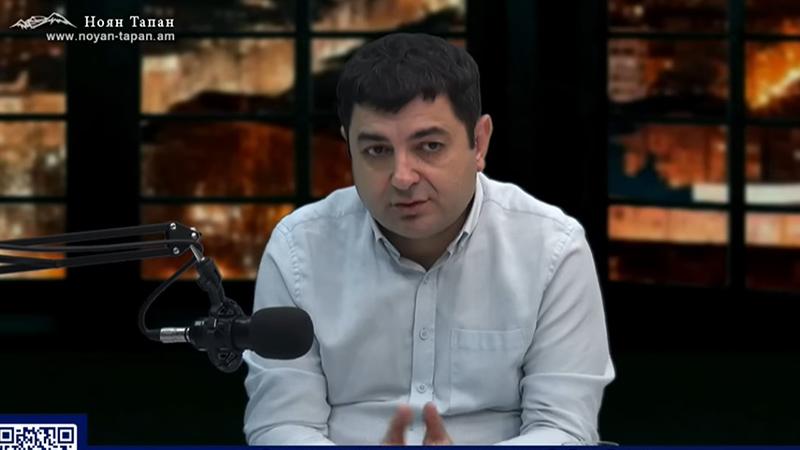
In a wide-ranging interview on Noyan Tapan, political analyst David Stepanyan sat down with host Gayane Arakelyan to dissect the shifting tectonic plates of Armenian foreign policy and the high-stakes domestic landscape ahead of the upcoming elections. From the "Syriazation" of Iran to the economic price of peace, Stepanyan argued that Armenia’s survival depends on moving past tragic history toward a pragmatically unblocked region.
The conversation began with the recent signing of a military-technical cooperation memorandum between Armenia and Poland. Stepanyan noted that while this isn't a "new direction," it represents a necessary return to stability after previous "unclear problems" under the current administration.
However, this European outreach occurs against a backdrop of extreme regional volatility. When asked about the ongoing tensions surrounding Iran, Stepanyan painted a grim picture of the potential fallout for Yerevan.
"The most negative scenario we can imagine... is the massive American-Israeli bombing of Iranian territory, rising internal instability, and a transition into civil war—the so-called 'Syriazation' of Iran," Stepanyan warned.
Rhetoric vs. Reality in the Peace Process
Addressing the recent inflammatory statements from Baku regarding the Khojaly tragedy and "Armenian fascism," Stepanyan was blunt: such rhetoric is a calculated blow to the peace process. He argued that while President Ilham Aliyev is not necessarily continuing the war through these words, he is using them as "cards of pressure" to maintain leverage.
Stepanyan called for a radical departure from historical grievances on both sides to ensure a future without bloodshed.
On Historical Grievances: "If you pull the theme of tragic events off the shelves... it’s a destructive position that will not contribute to peace".
On Reciprocal Accusations: He noted that if Baku continues to bring up Khojaly, Armenia could equally raise the tragedies of Sumgait, Maraga, or Baku, leading to a never-ending cycle.
On Civil Society: Despite the rhetoric, Stepanyan shared his positive experiences at a recent "20+20" civil society meeting in Tsaghkadzor, where both Armenian and Azerbaijani participants focused solely on peace.
Deconstructing the Russian Narrative
A significant portion of the interview focused on Russia's role in the South Caucasus. Stepanyan challenged the popular narrative that Moscow is the sole villain in the regional tragedy.
"Russia modeled the conflict, Russia parasitized this conflict. But the conflict itself did not arise because only Moscow wanted it so much," Stepanyan stated, adding that leaders in Baku, Yerevan, and Stepanakert share the blame for making "erroneous decisions" based on their proximity to the Kremlin.
He specifically identified the "political return of Russia" as the primary threat to future peace, suggesting that Moscow's interest lies in controlling communications—such as the "Crossroads of Peace" (TRIP) project—rather than genuinely unblocking them.
Elections and the "Crossroads of Peace"
Turning to domestic politics, Stepanyan described the pre-election atmosphere as one of "big bargaining" and "populism," with a lack of clear political programs from most opposition camps.
He analyzed the five main political "camps," noting that only the ruling party currently offers a distinct, albeit controversial, vector: peace through the unblocking of regional communications and the opening of the Turkish border.
Addressing the concern that Azerbaijan, Turkey, and the US all seem to support Nikol Pashinyan's candidacy, Stepanyan offered a counter-intuitive perspective.
"I have a very positive attitude toward the fact that in Azerbaijan and Turkey, they associate peace with Nikol Pashinyan. This suggests that there is a real demand for peace," he explained, arguing that a change in leadership to a more "militant" figure would only provide Baku with a pretext for further aggression.
For Stepanyan, the path forward is purely economic. He argued that the "Crossroads of Peace" must be implemented quickly so that the economic cost of war becomes higher than any potential gain. "The price of war must become higher for everyone than the price of peace," he concluded, framing regional integration as Armenia's only true security guarantee.





 ENGLISH
  Հայերեն
 Русский
 Դաս. հայերեն
 French