The Middle East Chessboard: Why Armenia is No Longer a Passive Observer
04-03-2026 17:28:59 | Armenia | Interviews
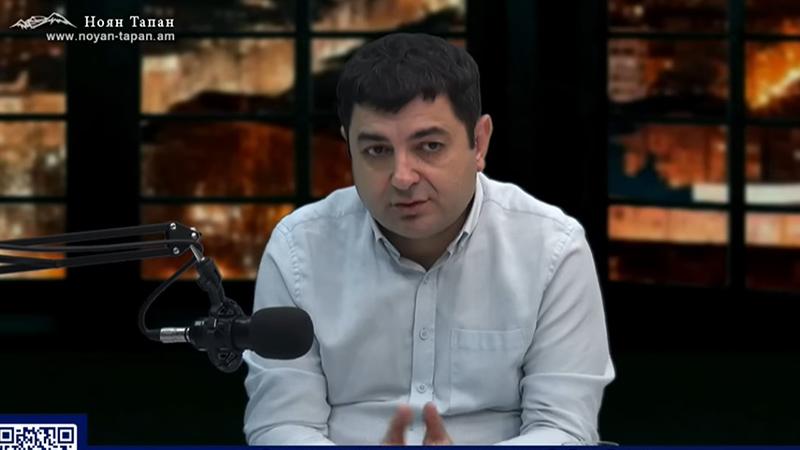
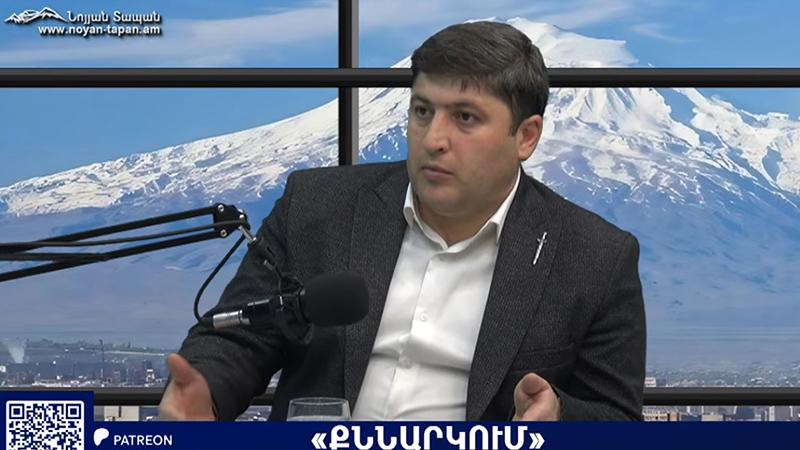
In a recent deep-dive discussion hosted by Noyan Tapan, sociologist Hayk Trunyan delivered a sobering analysis of the escalating tensions in Iran, arguing that Armenia can no longer afford the luxury of being a passive observer. As the shadow of conflict looms over the border, Trunyan suggests that Armenia’s future is not merely linked to regional stability, but is fundamentally tied to a massive geopolitical "experiment" involving global powers.
The Identity Crisis: Caucasus or Middle East?
A central theme of the discussion was Armenia’s perceived place in the world. Trunyan noted a dangerous disconnect between how Armenians see themselves and how the global geopolitical machine categorizes the nation.
"We still consider ourselves part of the Caucasus, part of Europe, but the world already tries to look at us as part of the Middle East," Trunyan observed. He emphasized that because Armenia is geographically and politically intertwined with Iran, the "Middle Eastern" reality is not a choice, but a functional fact that dictates the country’s future security.
The Philosophy of Self-Sacrifice
Discussing the nature of the Iranian state, Trunyan highlighted what he believes is a fundamental misunderstanding by Western powers. He pointed to the "Islamic Republic" as a state built on a deep theological foundation of self-sacrifice.
"Iran has a very deep political ideology, the central core of which is religion... and in Shiism, sacrifice is the most important thing," Trunyan explained. He cautioned that the United States may not have fully analyzed the "civilizational thought" of a state that is willing to sacrifice its own interests and existence for its faith and statehood. According to Trunyan, Iran is currently engaged in an "irregular war" designed to inflict maximum economic and reputational damage on its enemies, even if it cannot win a direct kinetic conflict.
A Battlefield for Global Tech and Trade
The sociologist argued that the current friction in the region serves as a testing ground for the world’s superpowers. He described the conflict as a "technological experiment" where the U.S. is demonstrating its advanced AI and communication capabilities to rivals like China and Russia.
Furthermore, Trunyan identified the blockade of China’s "Belt and Road" initiative as a primary U.S. objective. By exerting influence over Iran, the U.S. effectively controls the vital land route from China to Europe, potentially dismantling China’s long-term economic strategy.
Trunyan did not shy away from criticizing the personal motivations of world leaders. He characterized both Donald Trump and Benjamin Netanyahu as figures making "emotional" and "adventurous" decisions driven by domestic pressures rather than strategic national interests. For Trump, the conflict may serve as a diversion from internal scandals or archive leaks; for Netanyahu, it is a matter of internal political survival.
Armenia’s Stake: Not Just a Spectator
The most critical takeaway for the local audience was the direct impact of these global shifts on Armenian soil. Trunyan warned that a major crisis in Iran would immediately translate into migrant issues and severe economic disruptions for Armenia.
"We cannot be like a TV viewer watching all of this from the side," Trunyan concluded during the Noyan Tapan broadcast. "We must understand that if suddenly there are very serious problems in Iran... they will affect us".
The Middle East Chessboard: Why Armenia is No Longer a Passive Observer
YEREVAN — In a recent deep-dive discussion hosted by Noyan Tapan, sociologist Hayk Trunyan delivered a sobering analysis of the escalating tensions in Iran, arguing that Armenia can no longer afford the luxury of being a passive observer. As the shadow of conflict looms over the border, Trunyan suggests that Armenia’s future is not merely linked to regional stability, but is fundamentally tied to a massive geopolitical "experiment" involving global powers.
The Identity Crisis: Caucasus or Middle East?
A central theme of the discussion was Armenia’s perceived place in the world. Trunyan noted a dangerous disconnect between how Armenians see themselves and how the global geopolitical machine categorizes the nation.
"We still consider ourselves part of the Caucasus, part of Europe, but the world already tries to look at us as part of the Middle East," Trunyan observed. He emphasized that because Armenia is geographically and politically intertwined with Iran, the "Middle Eastern" reality is not a choice, but a functional fact that dictates the country’s future security.
The Philosophy of Self-Sacrifice
Discussing the nature of the Iranian state, Trunyan highlighted what he believes is a fundamental misunderstanding by Western powers. He pointed to the "Islamic Republic" as a state built on a deep theological foundation of self-sacrifice.
"Iran has a very deep political ideology, the central core of which is religion... and in Shiism, sacrifice is the most important thing," Trunyan explained. He cautioned that the United States may not have fully analyzed the "civilizational thought" of a state that is willing to sacrifice its own interests and existence for its faith and statehood. According to Trunyan, Iran is currently engaged in an "irregular war" designed to inflict maximum economic and reputational damage on its enemies, even if it cannot win a direct kinetic conflict.
A Battlefield for Global Tech and Trade
The sociologist argued that the current friction in the region serves as a testing ground for the world’s superpowers. He described the conflict as a "technological experiment" where the U.S. is demonstrating its advanced AI and communication capabilities to rivals like China and Russia.
Furthermore, Trunyan identified the blockade of China’s "Belt and Road" initiative as a primary U.S. objective. By exerting influence over Iran, the U.S. effectively controls the vital land route from China to Europe, potentially dismantling China’s long-term economic strategy.
Trunyan did not shy away from criticizing the personal motivations of world leaders. He characterized both Donald Trump and Benjamin Netanyahu as figures making "emotional" and "adventurous" decisions driven by domestic pressures rather than strategic national interests. For Trump, the conflict may serve as a diversion from internal scandals or archive leaks; for Netanyahu, it is a matter of internal political survival.
Armenia’s Stake: Not Just a Spectator
The most critical takeaway for the local audience was the direct impact of these global shifts on Armenian soil. Trunyan warned that a major crisis in Iran would immediately translate into migrant issues and severe economic disruptions for Armenia.
"We cannot be like a TV viewer watching all of this from the side," Trunyan concluded during the Noyan Tapan broadcast. "We must understand that if suddenly there are very serious problems in Iran... they will affect us".





 ENGLISH
  Հայերեն
 Русский
 Դաս. հայերեն
 French